








See POAS vs revenue-only reporting
Profit Bid connects store costs to ad spend so you bid on margin — not vanity ROAS.
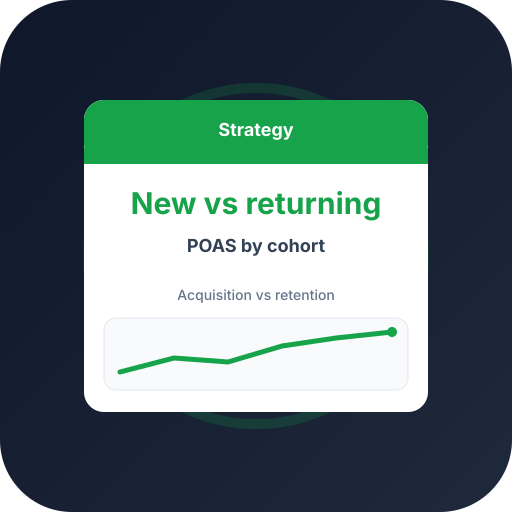
Cumulative POAS by cohort
- New customers
- Returning customers
New-customer POAS starts below returning, then compounds. LTV is why a lower acquisition target still pays.
Track POAS automatically from your store — upload profit conversions and scale winners with A/C/X labels.
Two very different economics
Acquiring a new customer costs more, so first-order POAS is thinner. Returning customers cost little to convert and are highly profitable.
Blending them hides both truths. Splitting POAS by cohort lets you set an acquisition target that accounts for future value.
Setting cohort-aware targets
If LTV is strong, you can accept a lower first-order POAS on new customers and still profit over the relationship.
Track new vs returning POAS separately, and use LTV-adjusted targets for acquisition campaigns.
Frequently asked questions
Common questions about this topic — tap to read answers.
Should acquisition and retention share a target?
No. New-customer campaigns can run a lower POAS target justified by LTV; retention should hold a higher, immediate-profit bar.
How do I identify new vs returning?
From order history in your store. Profit Bid can segment conversions so you measure and target each cohort.