







See POAS vs revenue-only reporting
Profit Bid connects store costs to ad spend so you bid on margin — not vanity ROAS.
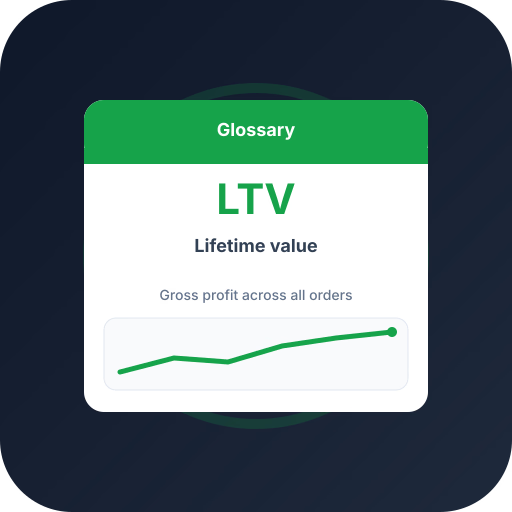
Cumulative gross profit per customer (cohort)
- Cumulative profit
- CAC (payback line)
Payback happens where the LTV curve crosses CAC. After that, every reorder is compounding profit.
Track POAS automatically from your store — upload profit conversions and scale winners with A/C/X labels.
Why LTV changes how you bid
If you only count first-order profit, many acquisition channels look unprofitable. But repeat purchases mean the true value of a customer is far higher.
Brands with strong LTV can afford a first-order loss to win the customer, then profit on reorders — as long as payback happens fast enough.
Reading a cohort LTV curve
Plot cumulative gross profit per customer over months since first order. The curve should cross CAC (payback) and keep climbing.
Compare cohorts by acquisition channel: some sources bring high-LTV customers even at a higher CAC, which reshapes where you invest ad budget.
Frequently asked questions
Common questions about this topic — tap to read answers.
Should LTV use revenue or profit?
Use gross profit. Revenue-based LTV overstates value and can justify unprofitable acquisition.
How does LTV relate to POAS?
POAS measures profit per ad dollar now; LTV extends that view across the customer's future orders, supporting higher acquisition targets.