








See POAS vs revenue-only reporting
Profit Bid connects store costs to ad spend so you bid on margin — not vanity ROAS.
First-order POAS vs LTV-adjusted POAS
- First-order POAS
- LTV-adjusted POAS
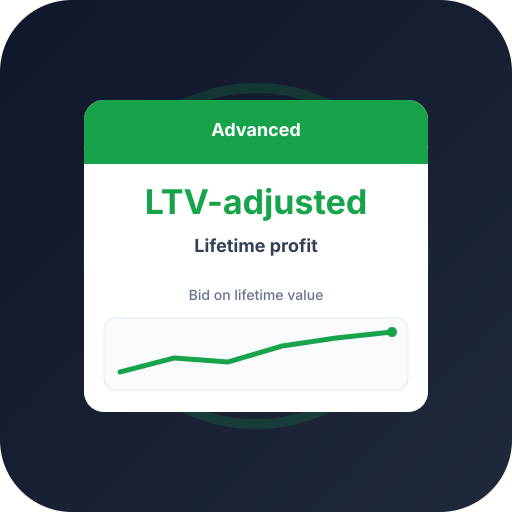
As reorders accrue, the true POAS of an acquired customer climbs far above the first-order snapshot.
Track POAS automatically from your store — upload profit conversions and scale winners with A/C/X labels.
From first-order to lifetime
First-order POAS treats a customer as a single transaction. LTV-adjusted POAS multiplies expected repeat orders and margin into the value of acquiring them.
A customer worth 120% first-order POAS might be worth 260% once expected reorders are counted.
Applying it safely
Use conservative LTV estimates and a defined horizon so you do not over-bid on optimistic assumptions. Watch payback period alongside the ratio.
Feed the LTV-adjusted value into acquisition campaigns while keeping retention on immediate profit.
Frequently asked questions
Common questions about this topic — tap to read answers.
Is LTV-adjusted POAS risky?
It can be if LTV assumptions are optimistic. Use conservative estimates, a fixed horizon, and monitor payback to control cash risk.
When does it make sense?
When repeat purchase rate is meaningful and measurable. For one-time-purchase catalogs, first-order POAS is safer.